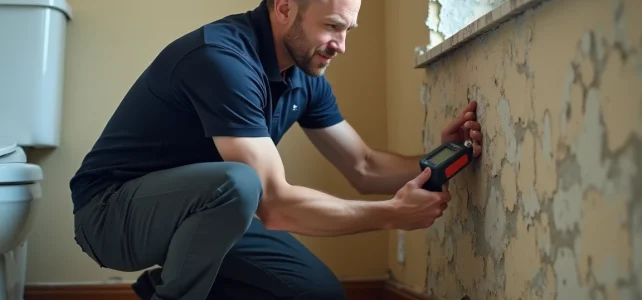
A puddle at the foot of the wall, a warped ceiling, a persistent smell of dampness: water damage triggers an administrative process that most policyholders discover in an emergency. Understanding each step of this procedure helps avoid mistakes that delay or reduce compensation.
Trigger threshold for water damage assessment: when the insurer sends an expert

Not all claims require a visit from an expert. The insurer first evaluates the file based on documents: photos, invoices, amicable report. If the estimated amount of damages remains low, they propose a settlement out of court, meaning direct compensation without an assessment.
Related reading : Everything You Need to Know About Rental Properties: Practical Tips for Tenants and Landlords
You may have noticed that a simple pipe break under the sink sometimes receives a response within a few days, while a leak that has traveled through two floors requires an expert for several weeks? The difference lies in the presumed amount of damages and the technical complexity of identifying the source of the incident.
When they appoint an expert, the insurer chooses and pays this professional themselves. The insured does not have to advance any costs for this intervention. Before this visit, it is useful to fully understand the water damage assessment procedure to prepare a solid file and leave nothing to chance.
See also : Everything You Need to Know About Pregnancy and Motherhood: Essential Online Tips and Resources
Assessment report and damage evaluation: what the expert really examines
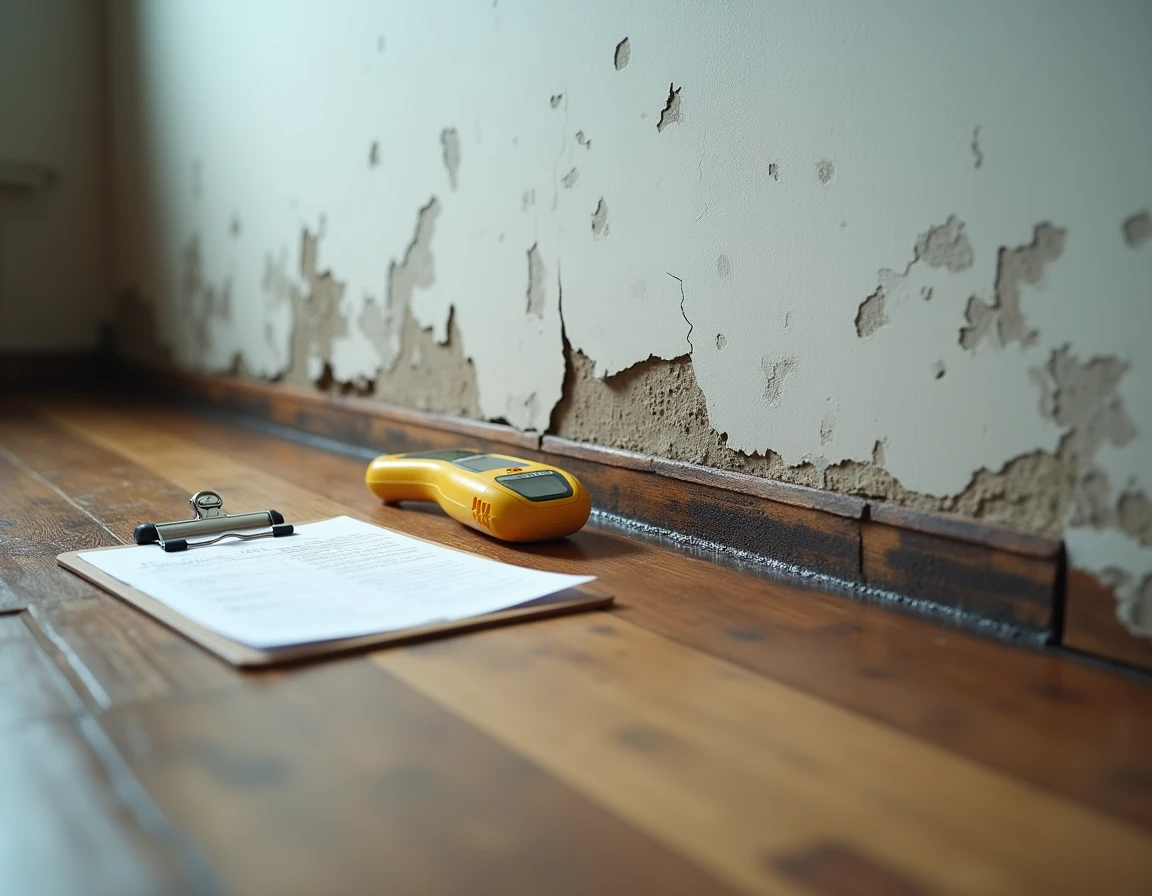
On the day of the visit, the expert does not just photograph the stained walls. Their work is divided into two distinct tasks.
Identifying the source of the leak
The first task is to trace back to the technical cause of the incident: faulty seal, burst pipe, infiltration through the roof, backflow of wastewater. This step conditions everything that follows.
Why is this point crucial? Because the origin of the incident determines which coverage under the contract applies. A leak related to a maintenance issue can lead to a partial or total denial of compensation. Several consulting firms for policyholders report an increase in these denials based on the argument of “lack of maintenance” or “absence of proof of suddenness” of the incident.
Estimating the damages incurred
The expert then assesses the cost of restoration: flooring, painting, ceilings, damaged furniture, household appliances. They compare the quotes provided by the insured to the usual market rates and draft an assessment report sent to the insurer.
This report sets the proposed amount for compensation. It is not just a simple estimate: it is the document on which the insurer’s final decision rests. Every omission in the insured’s file results in one less line in the report.
Often overlooked additional costs during water damage assessment
Most guides focus on visible damages (walls, floors, furniture). However, policyholders often neglect expense items that may be covered by their home insurance policy.
- Temporary relocation: if the home is uninhabitable during the repairs, some contracts provide for the coverage of temporary accommodation. This should be mentioned during the expert’s first visit.
- Storage of furniture and equipment: disassembly, moving, and storage can represent a significant cost, claimable if covered by the policy.
- Indoor air decontamination: after water damage, mold or suspended fibers can affect air quality. Technical experts recommend measuring particles and, if necessary, specific treatment, a topic still rarely addressed in standard compensation files.
Before the visit, make a comprehensive list of all expenses incurred or to be anticipated. Invoices from the plumber, hotel receipts, storage rental receipts: each proof increases the accuracy of the report.
Challenging the report: counter-expertise and insured expert
You receive the report and the proposed amount seems too low. What to do? The first option is to send a motivated letter to the insurer, attaching contradictory quotes or additional photos.
If the disagreement persists, you can appoint an insured expert, also known as a counter-expert. This independent professional defends your interests against the insurer’s expert. Their intervention comes at a cost, which is your responsibility unless stated otherwise in the contract, but it rebalances the power dynamics during negotiations.
When the two experts cannot reach an agreement, a third expert (called a “deciding expert”) may be appointed by mutual agreement or by the judge. This procedure extends the timelines, but it remains the most effective recourse in case of a deadlock.
Beware of very quick compensation offers
Specialized firms warn against compensation proposals received in the first hours following a significant incident. Accepting a quick offer for substantial damage closes the door to any future dispute. Take the time to have the proposal reviewed before signing it, even if the temptation to close the file quickly is strong.
Amicable report and declaration: deadlines to respect after water damage
The amicable report of water damage must be filled out with the concerned third party (neighbor, co-ownership) and sent to the insurer within five working days after discovering the incident. This form identifies the parties, describes the presumed source of the leak, and lists the observed damages.
Here are a few reflexes to keep in mind:
- Photograph each damage before any cleaning or temporary repair intervention.
- Keep the damaged items (pieces of pipe, seals, detached coverings) until the expert’s visit.
- Gather the purchase invoices for your damaged movable property: without proof, the expert applies a flat rate deduction that is often unfavorable.
- Do not sign any compensation document before comparing the offer to the restoration quotes.
A well-prepared file reduces back-and-forth with the insurer and speeds up the payment of compensation. Document rigor at the time of the incident weighs as much as the quality of the home insurance contract itself.