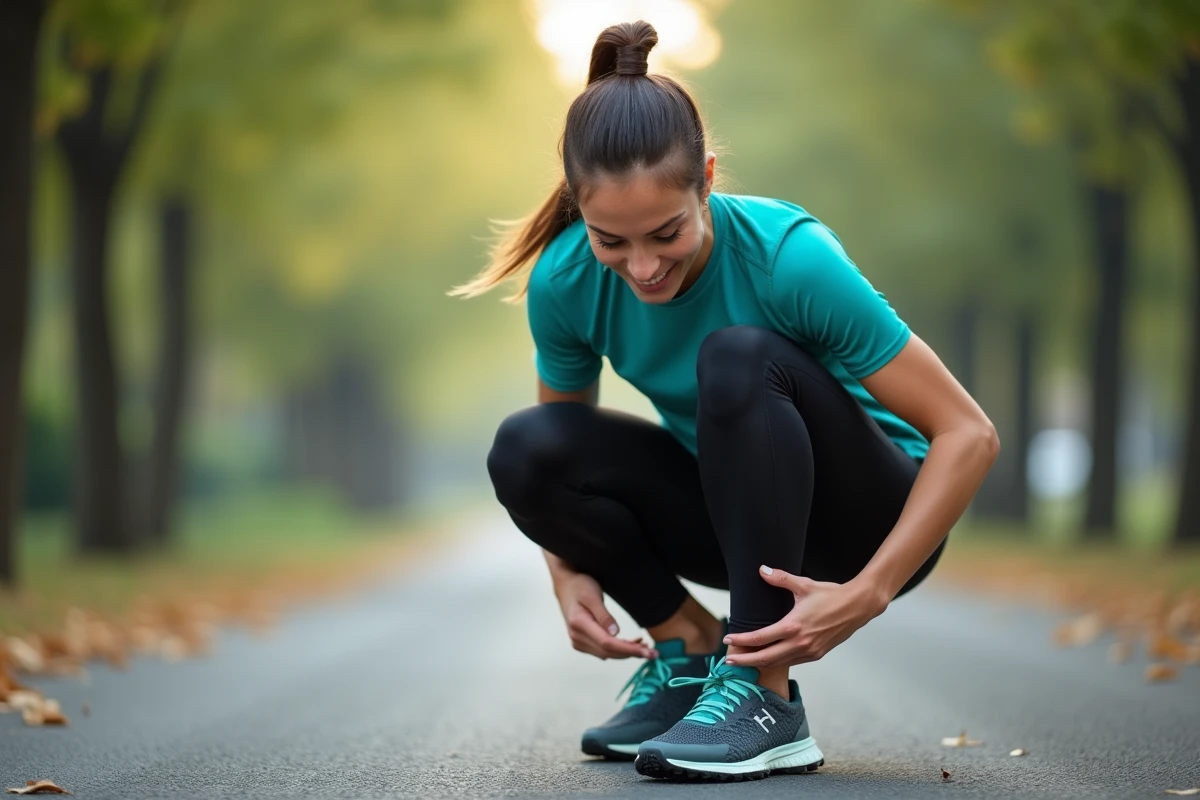
Sports equipment tailored for a specific practice directly alters the quality of movement, recovery, and the risk of injury. The choice is not merely a question of budget or brand: it is based on biomechanical criteria, safety standards, and a match between the equipment and the practitioner’s level.
REACH Standards and Sports Textiles: What Changes from 2026
Since January 2026, Regulation (EU) 2025/2784 strengthens REACH requirements on chemical substances present in sports textiles and plastics. The goal is to limit exposure to endocrine disruptors in technical clothing.
In practical terms, manufacturers must reduce the concentration of certain compounds in fabrics that are in prolonged contact with the skin. For consumers, this means that older ranges of leggings, sports bras, or compression shirts may no longer be compliant.
Before purchasing sportswear, checking for REACH compliance on the label or the online product sheet becomes a useful habit. Polyester and mesh fabrics, widely used for their moisture-wicking capabilities, are directly affected by this regulatory update. To browse the equipment available on Sportlinea, filtering by compliance with European standards can save time.
Running and Hiking Shoes: Biomechanical Criteria to Check
The shoe is the piece of equipment where mistakes can be most costly, both in terms of injuries and performance issues. A poorly chosen shoe alters the stride and overloads the joints.
The first criterion is the type of stride: pronating, supinating, or neutral. Most specialized stores offer a gait analysis on a treadmill, free or at a low cost. Without this data, any purchase of running shoes is a matter of chance.
The drop (the height difference between the heel and the forefoot) directly influences running posture. A high drop is suitable for heel strikes, while a low drop promotes a midfoot strike but requires a gradual transition to avoid Achilles tendonitis.
For hiking, the considerations change. The stiffness of the sole, the height of the shaft, and waterproofing take precedence over weight. A low-cut shoe is sufficient on a smooth trail, but technical terrain or heavy loads require a high-top shoe to stabilize the ankle.
Checkpoints Before Purchase
- Try on shoes at the end of the day, when the foot is slightly swollen, to avoid a model that is too tight during exertion
- Ensure that the big toe does not touch the end of the shoe, leaving about a centimeter of space in front of the toes
- Test the flex of the sole: it should bend at the forefoot, not in the middle of the arch
Bicycle and Fitness Equipment: Adapting Gear to Frequency of Use
An occasional practitioner and a dedicated athlete do not have the same wear constraints or adjustment needs. The frequency of practice determines the level of equipment truly necessary.
In cycling, a properly sized frame (frame size, stem length, saddle height) reduces lower back and neck pain on long rides. A bike purchased without prior biomechanical adjustment can create postural imbalances within a few weeks of regular use.
In fitness and weight training, the choice of accessories depends on the targeted exercises. Resistance bands provide a progressive load suitable for both beginners and intermediate practitioners. Loughborough University documented in 2026 the growing adoption of hybrid modular accessories incorporating sensors, which allow real-time tracking of load and range of motion in semi-professional practitioners.
Safety Equipment: A Non-Negotiable Item
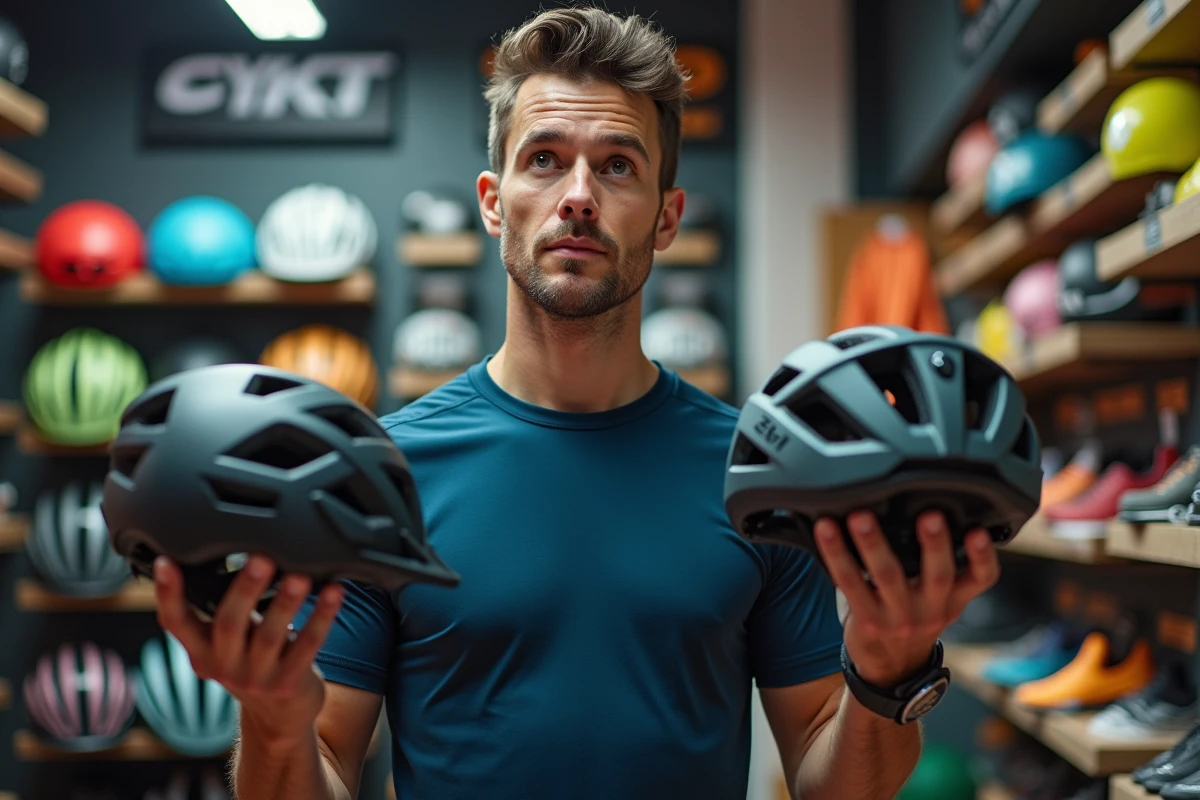
Bicycle helmets, shin guards, knee pads: these elements do not directly contribute to performance but determine the ability to continue practicing. A helmet must be replaced after any impact, even without visible cracks, as the internal structure made of expanded polystyrene deforms irreversibly.
For home fitness, a sufficiently thick mat protects the joints during floor exercises. A mat that is too thin on a hard surface causes knee and elbow pain that discourages consistency.
Eco-Designed Sports Equipment: An Increasing Selection Criterion
According to the “Sport and Sustainability 2025” report from the French Sports Observatory, recycled and eco-designed sports equipment has seen a significant increase since 2024. Major brands are now integrating recycling pathways into their regular ranges, not just in capsule collections.
Eco-design is not limited to the material. It includes the product’s durability: equipment that lasts twice as long halves its environmental impact, even if made from conventional materials.
- Prioritize certified recycled materials (recycled polyester GRS, natural rubber) when technical performance is equivalent
- Check for the availability of spare parts, especially for bicycles and fitness equipment, as a guarantee of repairability
- Compare the manufacturer’s warranty: a long warranty often reflects the manufacturer’s confidence in the durability of their product
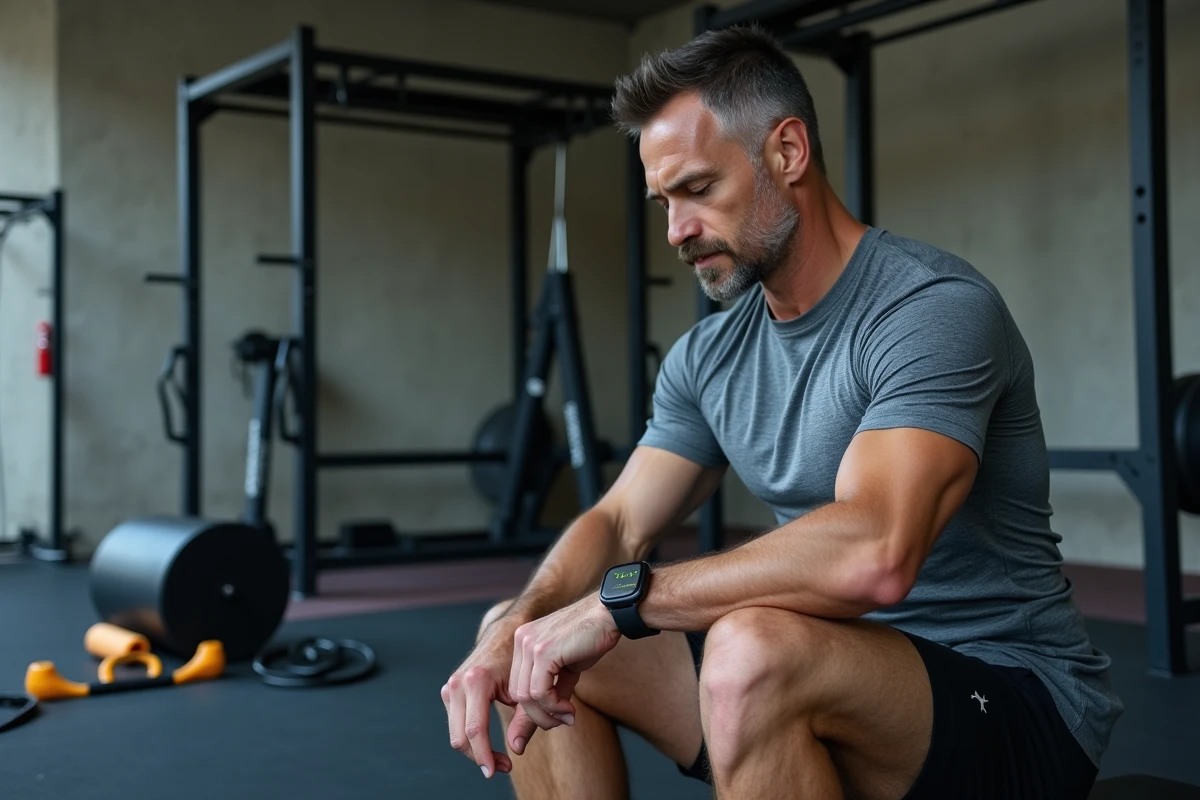
The choice of sports equipment is based on three successive filters: regulatory compliance of the material, biomechanical suitability with the body and practice, and then durability over time. Investing time in analyzing these criteria before purchase avoids premature replacements and injuries related to unsuitable equipment.