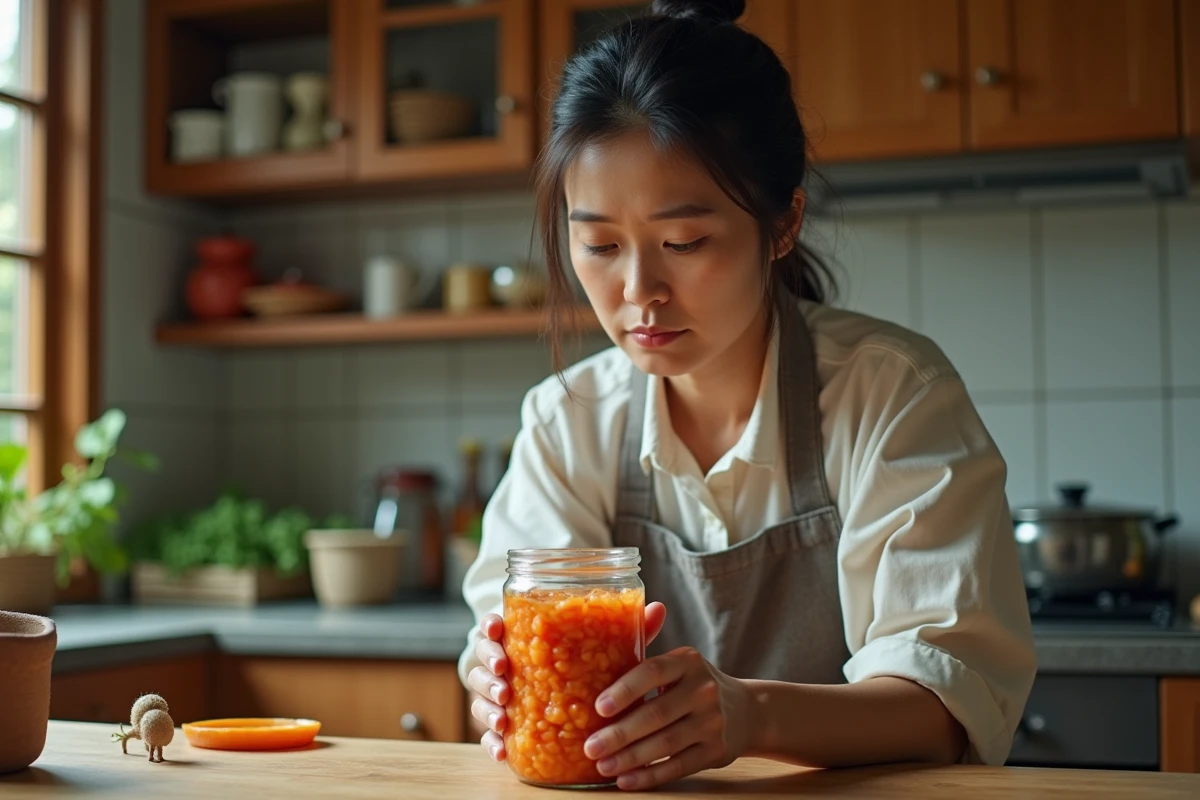
Three grams of botulinum toxin are enough to decimate an entire city. The figure is chilling, but it summarizes the stakes: fermentation is not just a culinary art, it is also a matter of microbiology. Clostridium botulinum, the bacterium responsible for botulism, loves airless, damp corners, exactly what happens in many homemade kimchi jars. Cases of contamination remain rare, certainly. But the slightest failure in preparation or hygiene can turn a recipe into a real threat.
Everywhere, official recommendations contradict each other, from country to country. In the effort to preserve tradition while ensuring food safety, the message becomes muddled. To see clearly, it is better to arm oneself with precise facts and proven practices.
Kimchi and botulism: untangling the truth from the myths about fermentation risks
Making kimchi at home should leave nothing to chance. This tangy dish requires rigor at every phase: selecting fresh products, measuring salt without improvisation, monitoring acidity. Once the jar is sealed, one parameter becomes key: rapidly lowering the pH below the threshold of 4.6 to prevent Clostridium botulinum from invading the preparation. A forgotten rinse of the vegetables or a missing pinch of salt, and safety quietly wavers.
Adhering to the process is not trivial. In this area, many gray zones remain. To dispel myths and rely on concrete facts, the dangers of botulism in kimchi provides an overview of the points to analyze and the habits to adopt to minimize any health risks.
Tradition does not excuse deviations. Rigor and control are essential, from the choice of ingredients to the management of cold once fermentation begins. Prevention remains the best ally of the informed consumer.
What are the warning signs and risky situations when preparing kimchi?
Some visible or olfactory anomalies should immediately raise alarms during fermentation. A jar with a bulging lid, black foam on the surface, cloudy liquid, an unusual odor: all these signals demand caution and abstention.
The bacterium fears acidity but thrives on any relaxation: a high pH that does not drop quickly enough, temperatures above normal, an airtight jar preventing gas release, all these contexts allow the toxin to settle in.
Here are the most common mistakes to avoid when making homemade kimchi:
- Using overripe or poorly washed vegetables, which may harbor resistant spores.
- Underestimating the necessary salt dose, compromising the desired rapid acidification.
- Fermenting at an inappropriate temperature, above 22°C or variable, which harms the stability of the preparation.
- Tightening the lid excessively (gases accumulate) or not tightening it enough (risk of oxidation and contamination).
At the first signs of symptoms after ingestion, such as blurred vision, dry mouth, difficulty swallowing or speaking, muscle stiffness, consumption should be immediately stopped and medical advice sought. Children, especially the youngest, must absolutely avoid unpasteurized kimchi. In case of any doubt, do not take any risks.
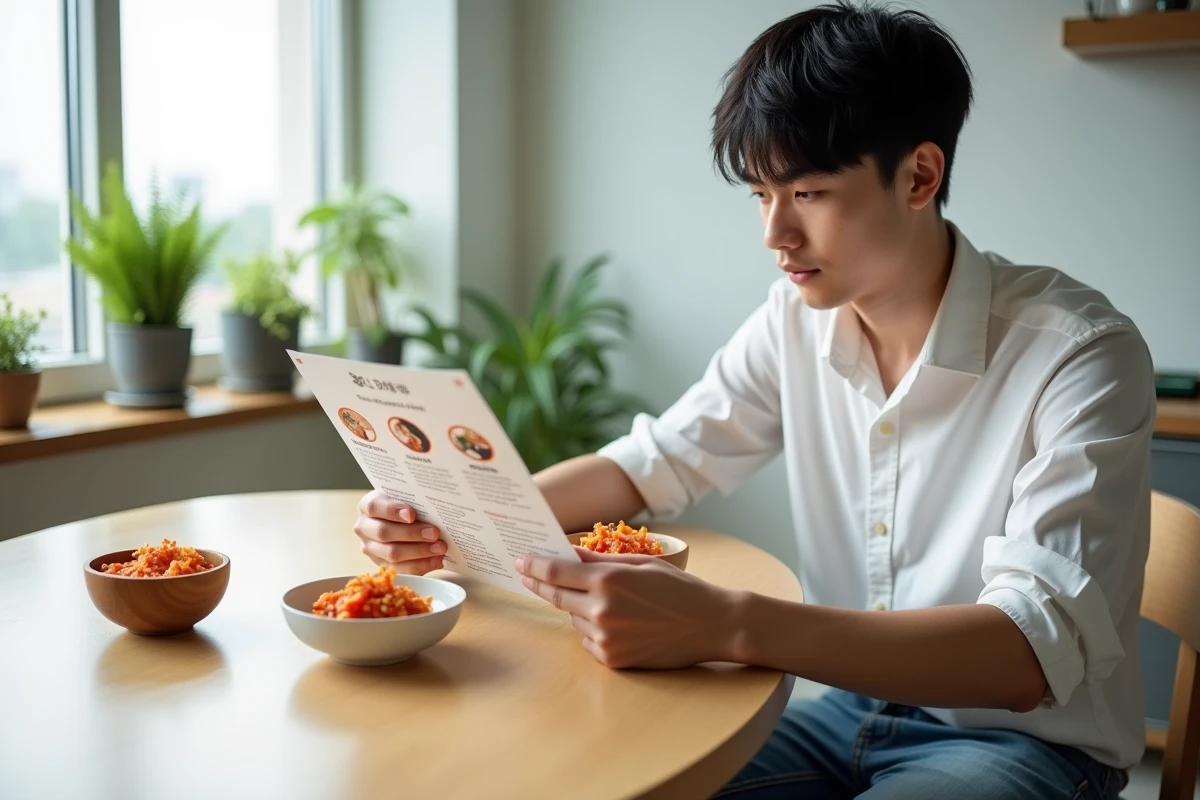
Practical tips for enjoying homemade kimchi safely
For each step, it is important to apply precise actions: vegetables of impeccable freshness, thorough washing, salt measured to the gram. Monitoring the pH, using appropriate strips, ensures sufficient acidity to neutralize the invisible enemy.
Hygiene is paramount: sterilized jars, clean utensils, vegetables completely covered by brine. The lid should be secured to allow gas to escape but never left so loose that it lets everything pass.
Kimchi with a strange smell, slimy texture, or altered consistency should be discarded without hesitation. The sharp acidity, bright color, and firmness are your best indicators of a healthy product.
Before any sharing or tasting, it is always wise to check on dedicated platforms, such as the Directorate General for Food, the Technical Center for the Preservation of Agricultural Products, or RappelConso, for the absence of any ongoing recalls. This simple reflex avoids many unpleasant surprises.
Making kimchi means rejecting routine. Careful implementation, cool storage after opening, special vigilance towards vulnerable consumers… All these reflexes ensure that tradition remains a responsible pleasure: enjoying without second thoughts is also about giving meaning to culinary transmission.