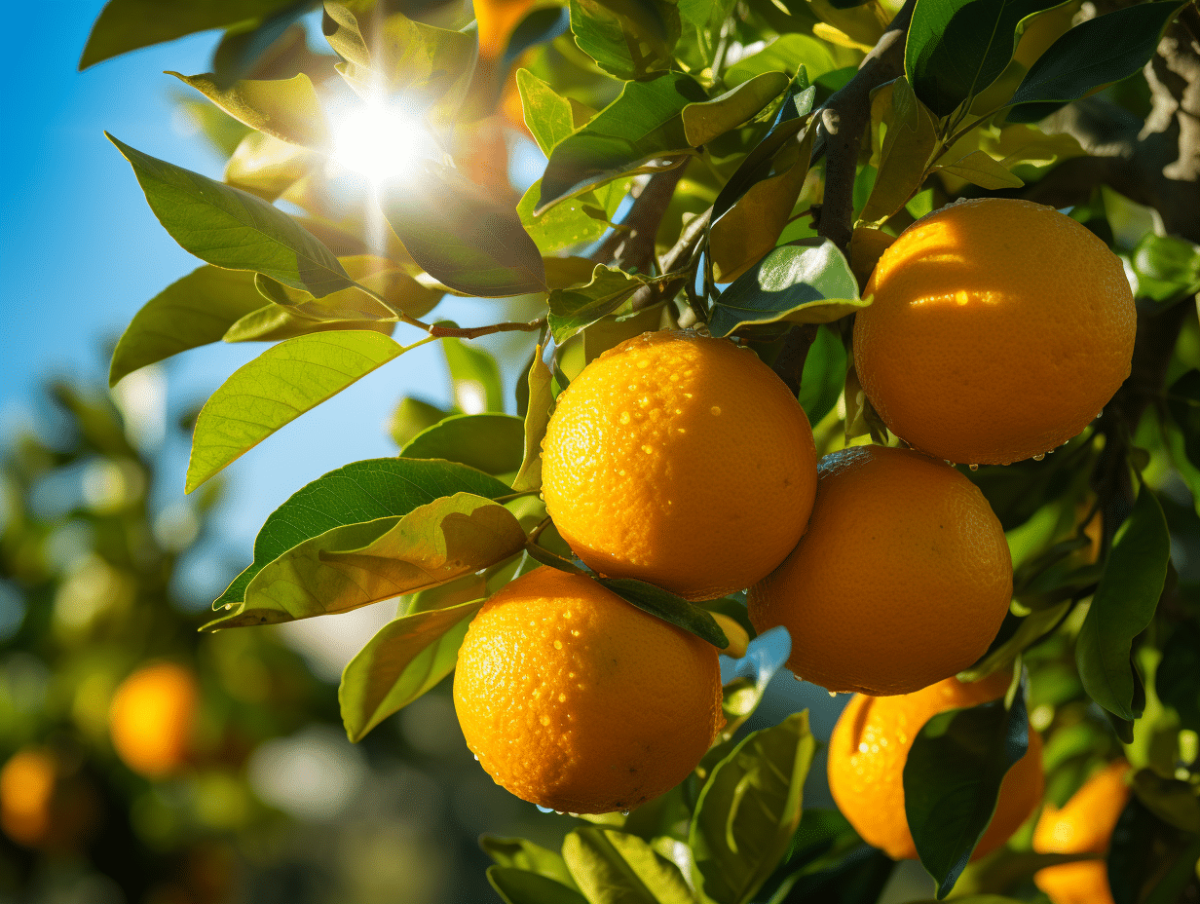
Cultivating citrus fruits often proves to be a delicate task, marked by various challenges. These fruit trees, native to subtropical and tropical regions, face specific issues in other climates. They are susceptible to diseases such as citrus canker or gummosis, and various pests like scale insects or mites. Their specific nutrient needs and sensitivity to extreme environmental conditions, such as sudden frosts or prolonged drought, can compromise their growth and productivity. Addressing these challenges often involves tailored agricultural practices and careful management.
Diagnosis and Management of Common Problems in Citrus Cultivation
Fruit trees such as lemon trees, orange trees, and mandarin trees require special attention to maintain their health and productivity. Fertilization plays a crucial role, with a high demand for nutrients in citrus. Use fertilizers and compost from spring to autumn to ensure adequate nutrition. Pruning, done after winter or early spring, aims at both the health and aesthetics of the tree, allowing for better air circulation and optimal light exposure.
Common diseases and pests such as aphids, whiteflies, and sooty mold require constant vigilance. Treat with emulsified rapeseed oils or liquid black soap to control these nuisances without harming the ecosystem. As for watering, it should ensure consistent moisture without drowning the roots, so an appropriate frequency based on the season and climate is essential.
Crop protection against the elements is also a central issue. Install windbreaks or walls to protect citrus fruits from strong winds, and make sure to leave sufficient space between plants to prevent the spread of diseases. For specific cases like the lemon tree: yellow leaves, this common symptom often indicates a nutrient deficiency or excess water. Adjust the water and nutrient supply to remedy this issue.
Strategies and Solutions for Successful Citrus Cultivation
The lemon tree, or Citrus limonum, represents an interesting case study with its ability to bear fruit multiple times a year. Full production is generally reached 4 to 5 years after planting and can reach a significant height of 5 to 7 meters. Therefore, providing enough space for its development is necessary for optimal fruiting. Follow the fruiting cycles to adapt the care provided, particularly in terms of pruning and fertilization, to promote harmonious growth and abundant production.
Citrus reproduction through seeds, cuttings, or layering presents various ways to propagate these fruit trees. Lemon seeds, for example, can be sown, but cutting and layering methods are often preferred for their increased efficiency in preserving varietal characteristics. For citrus intended for indoor cultivation, such as Calamondin, these methods also allow for size control and easier tree management.
Regarding planting, the choice of soil and rootstock is of paramount importance. Well-drained, slightly acidic soil promotes citrus growth, while using rootstocks such as Poncirus Trifoliata, Citrange, Citrus ‘Volkameriania’, Bigaradier, or Cleopatra Mandarin can enhance resistance to diseases and harsh climatic conditions. Wisely choosing the rootstock based on regional specifics and the varieties grown can thus contribute to a prosperous and sustainable cultivation.