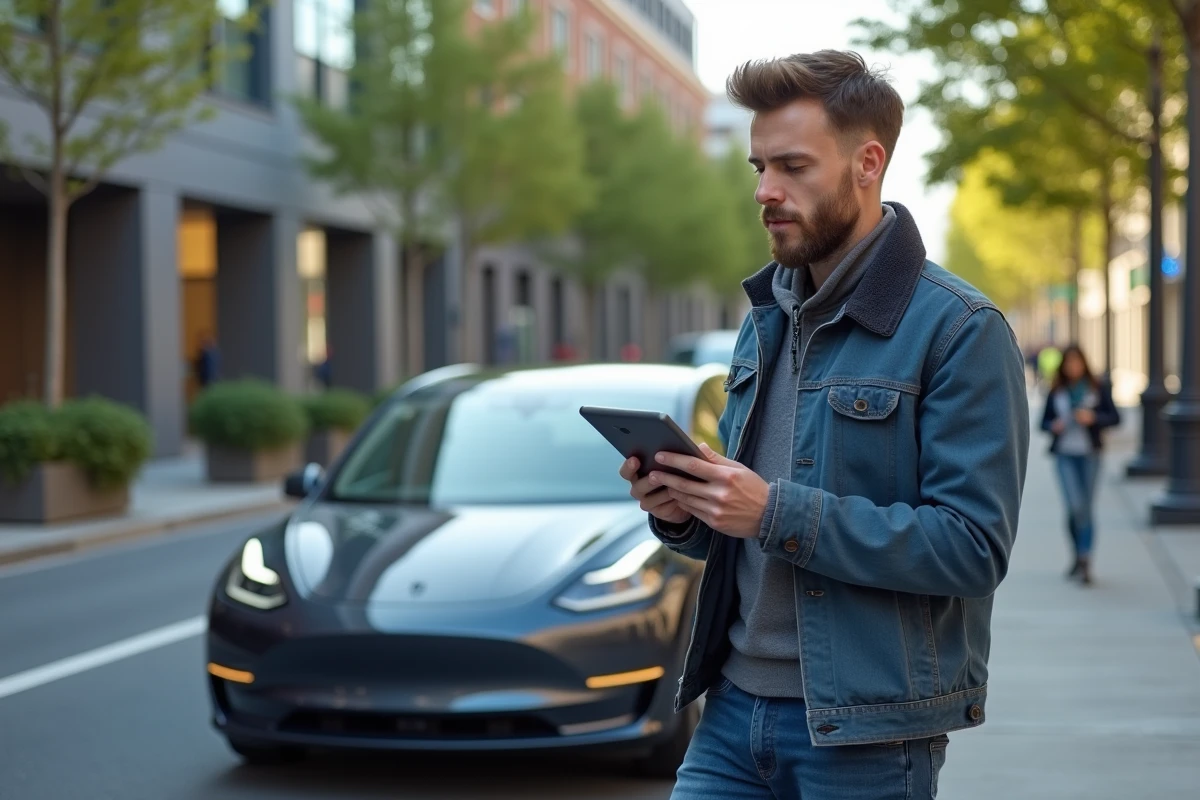
Twenty-five percent. That’s the share of electric vehicles in new sales in Europe in the first quarter of 2024. A spectacular increase that coexists with the announcement of new plug-in hybrid models by historic brands, even under the pressure of increasingly strict regulations. Meanwhile, the industry is massively investing in lithium iron phosphate batteries, challenging traditional supply chains.
The surge in raw material costs is pushing some manufacturers to think outside the box: battery rentals, proprietary embedded software, nothing is left to chance. Expectations are evolving. We are seeing a strong comeback for compact cars, while the carbon footprint of production is entering all debates.
What technological innovations are redefining the automobile in 2024?
2024 is transforming the automotive sector at an unprecedented pace. Artificial intelligence is making its way under the hood, as well as in the cabin. Systems learn, anticipate incidents, and optimize safety in real-time. The driving experience is nothing like it was five years ago: advanced personalization, connected interfaces, predictive management… Manufacturers are striving to make every journey smoother and safer, while enhancing the relationship between humans and machines.
On the electric vehicle front, advancements are tangible: batteries with increased range, remote software updates, new connectivity standards. Historic players are no longer alone: online sales are shaking up the traditional model, while CRM chatbots are becoming essential in customer relations, from purchase to maintenance.
For those who want to delve deeper into the subject, https://lactuauto.fr/ provides a comprehensive overview of these changes, from AI-boosted driver assistance systems to the increasing virtualization of services.
Here are the major trends emerging right now:
- The use of AI to enhance driver assistance, making journeys safer and smarter.
- The development of software platforms that centralize vehicle management and its services.
- Virtualized maintenance, facilitated by telemetry and predictive maintenance.
- The emergence of interconnected digital ecosystems, creating real universes around the vehicle.
These innovations are redefining the role of the car in daily life, while also transforming the factories themselves: robotics and predictive analytics are becoming essential, optimizing manufacturing and logistics. The industry is seeking a new lease on life, balancing performance, safety, and connectivity.
From driver expectations to the emergence of new models: how the market is evolving
The automotive market is undergoing a significant upheaval. Electric and plug-in hybrid vehicles are attracting an increasingly broad audience, driven by regulations but also by the desire for clean and connected mobility. Expectations are shifting: more sobriety, compact models, seamless connectivity, but also the ability to handle both urban trips and long distances.
French manufacturers like Peugeot, Renault, Citroën, and Dacia are adapting their ranges. On the ground, France resembles a giant laboratory: the diversity of powertrains is exploding, and the share of electric and hybrid vehicles is rapidly increasing. However, thermal models are not done yet, especially in the used car market. Buyers are weighing their options: price, incentives, real range, reliability. The criteria are multiplying, as are the compromises.
Sales trends by powertrain
Several notable trends can be observed in the current market:
- Electric vehicles are convincing with their silence and reduced maintenance costs.
- Plug-in hybrids attract those who want to combine savings with freedom of movement.
- Thermal models remain present, particularly in the compact or family segments.
Online sales are gaining ground and changing the relationship with dealerships. At the same time, groups are rethinking their vehicle distribution methods. The used car market continues to grow, boosted by the rise in quality and diversity of offerings. The notion of mobility is changing: less ownership, more services, and greater demands regarding environmental impact.
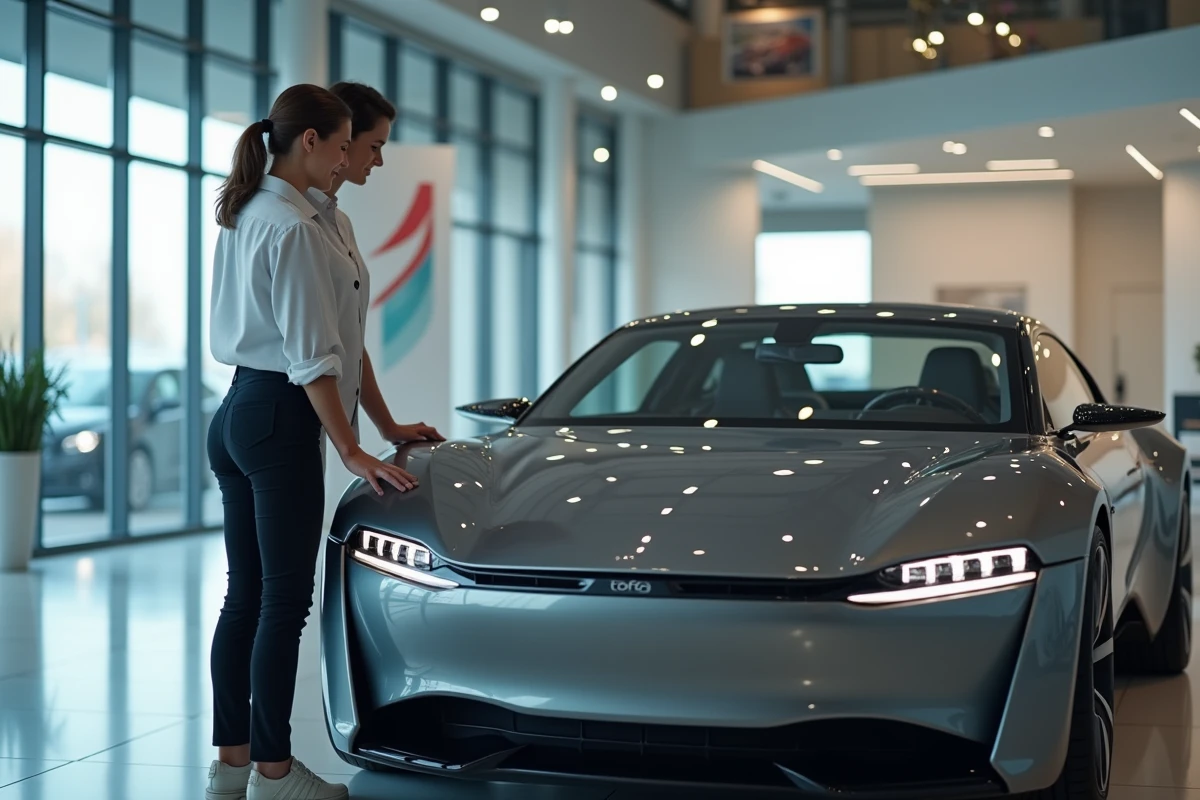
Environment, sustainable mobility, and challenges for the industry this year
In the face of the climate emergency and under the pressure of European standards, the automotive sector is accelerating its transformation. Electric vehicles are no longer a curiosity but a pillar of brand strategies. Sustainable mobility is present at every stage, from design to distribution. However, this rapid growth of the electric fleet raises new challenges: massive installation of charging stations, management of the lifecycle of batteries, and adaptation of infrastructures.
The French territory shows significant progress in the number of charging stations, thanks to the mobilization of French manufacturers. However, the reliability of the network remains uneven, especially outside major cities. Maintaining an electric car is now quite different from that of a thermal model, forcing professionals to reinvent themselves. Advances in batteries, their recycling, and their second life are becoming strategic issues.
The main challenges for the sector are becoming clear:
- Multiplication of solutions to facilitate charging in both urban and suburban areas.
- Rapid progress in research on battery recycling and reuse.
- Consideration of environmental impact from design and throughout the production chain.
Regulatory requirements are tightening every year. Emission thresholds are becoming stricter, forcing the industry to rethink its processes and accelerate the transition to zero-emission models. 2024 promises to be decisive: the race for clean mobility is just beginning, and every technological choice matters. The automotive sector, more than ever, finds itself at a crossroads where every innovation can change everything or disrupt everything.