
When planning a trip abroad, it is essential to gather information about areas to avoid to ensure your safety. The wise advice of experienced travelers and recommendations from local authorities can be indispensable for navigating unfamiliar territories.
Staying informed about local news and security advisories issued by embassies and consulates allows you to anticipate potential dangers. Choosing accommodations located in neighborhoods known to be safe and using mobile geolocation apps can greatly help minimize risks.
Before Departure: How to Prepare Well
To prepare well for a trip abroad, several steps should be considered:
- Use the online resources available. The website service-public.fr provides a simulator to find out what documents are necessary for traveling in Europe.
- diplomatie.gouv.fr offers a page of advice by country/destination, allowing you to identify at-risk areas.
Register on the Ariane platform to report your presence abroad to the Foreign Affairs services. This facilitates location in case of a crisis or incident. The General Directorate of Customs and Indirect Rights lists all the necessary formalities for travelers, which can prevent many bureaucratic hassles.
Insurance and Health
Taking out a travel insurance policy is an essential step. The company Chubb offers business travel insurance with online planning tools and 24/7 emergency assistance. Regarding health, consult the recommendations of the Institut Pasteur for international vaccinations, tailored to each country.
Practical Information
- Check the website gouvernement.fr for information and tools for preventing major risks.
- Avoid areas identified as dangerous by authorities. For example, Afghanistan is often considered the most dangerous place in the world.
Prepare adequately and stay informed to travel safely.
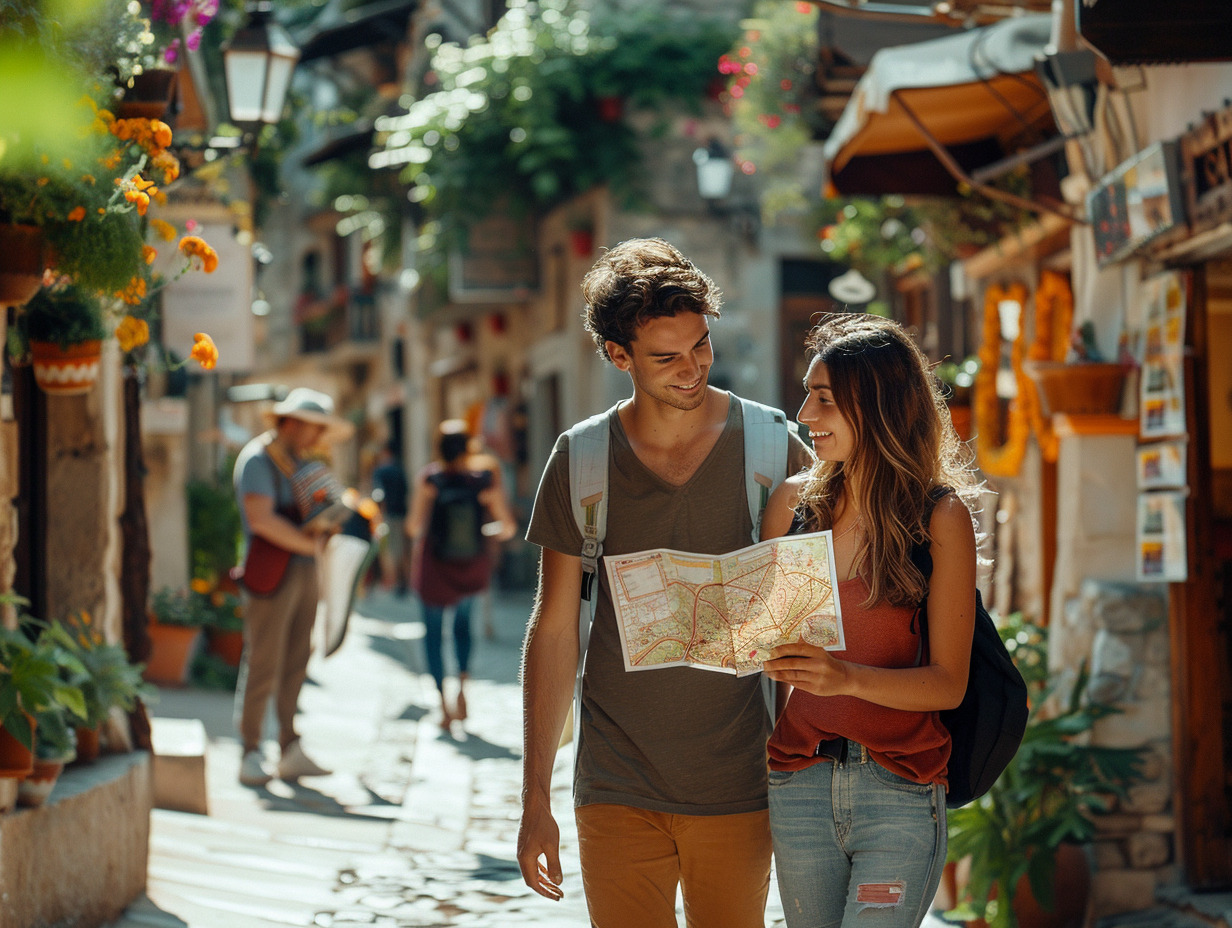
On Site: Adopt Good Practices to Avoid Risks
Arriving on site requires adopting cautious behaviors to protect yourself from potential dangers. Follow the recommendations of local and international authorities. The Ministry of Foreign Affairs and organizations like International SOS regularly publish maps of dangerous countries. These resources provide an overview of areas to avoid.
As soon as you arrive, register with the embassy or consulate. This allows authorities to locate you in case of a crisis. Avoid neighborhoods known for their insecurity and inquire about local practices. In countries like Morocco, respecting certain customs can prevent misunderstandings and conflicts.
Personal Security Measures
- Do not wear ostentatious signs of wealth.
- Use official taxis and avoid unregulated transport.
- Keep your important documents in a safe place, preferably in your hotel safe.
Adapt your behavior according to the specific risks of the country. For example, in areas like Afghanistan or Yemen, it is wise to limit your movements and avoid public gatherings.
Vigilance is essential regarding health risks. Consult the advice of the World Health Organization for local infectious diseases. Follow recommendations for food and water consumption to avoid infections.
By adopting these good practices, you will maximize your chances of traveling safely and fully enjoying your stay abroad.