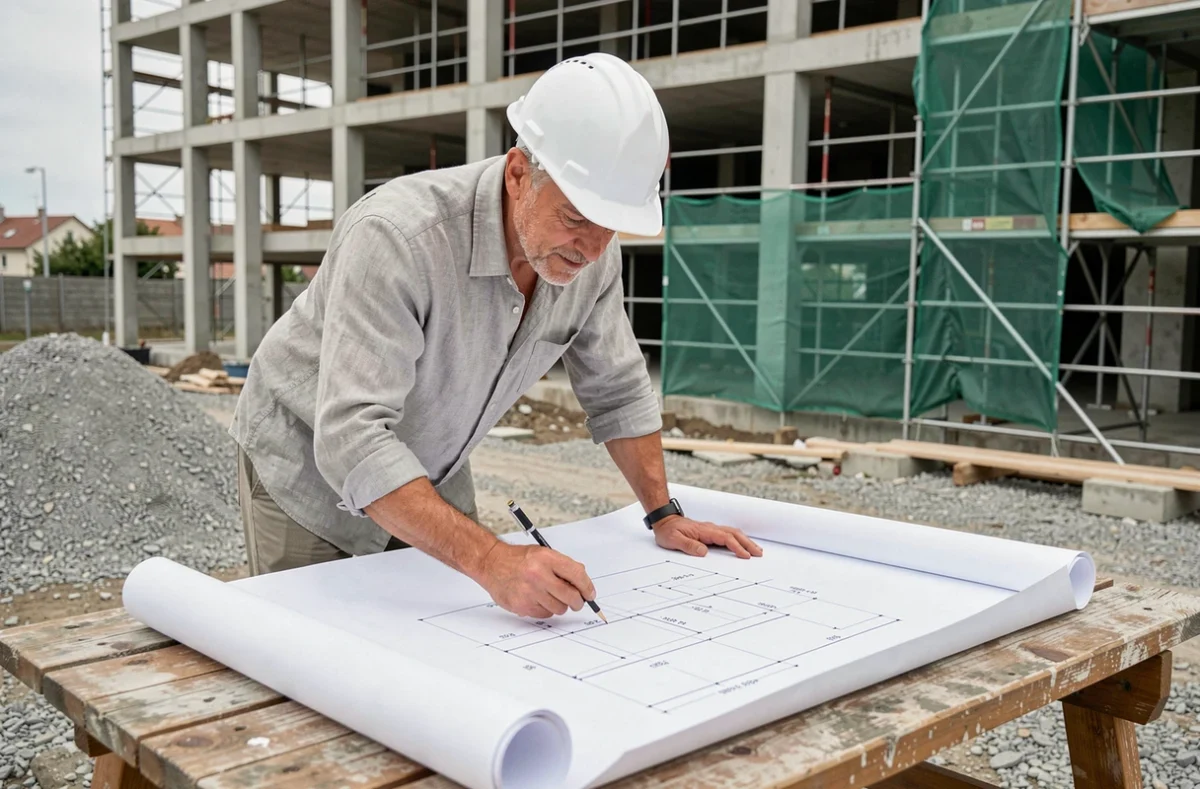
In August 2026, 29,749 homes were approved for construction in France, down 1.1% month on month. Over the past twelve months, the total number of permits has remained below the average for the previous five years. These national figures mask a reality that project developers know well: building permits and construction starts are moving in opposite directions from one département to another.
Building permits by region: why the national average is no longer enough
You may have read that construction is showing tentative signs of recovery. That’s true when looking at France as a whole. Some départements have seen a marked increase in permits, while others continue to decline.
This regional divide changes the picture for anyone planning a project. A developer relying solely on national statistics risks underestimating land pressures in a thriving area or overestimating demand where construction activity has stalled.
The reasons lie in several local factors: population growth, municipal planning policies, land availability, and the capacity of construction companies to take on new projects. Permit numbers vary widely from one département to another, and this disparity has widened in recent years.
To keep up with developments in construction and property development in France, you therefore need to compare national data with the département-level figures published each month by the Ministry of Housing.
RE2020 and the 2028 milestone: what the regulatory timeline means
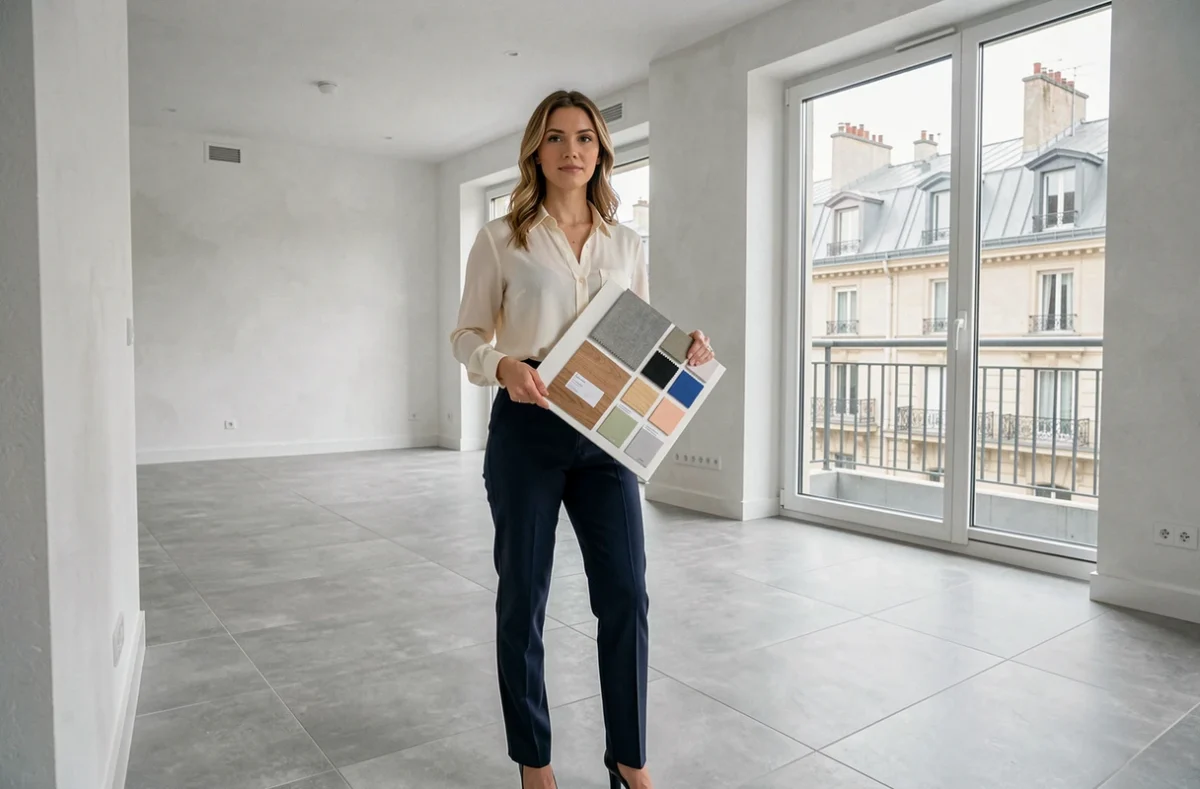
France’s 2020 Environmental Regulation (RE2020) sets energy performance and carbon emissions thresholds for new buildings. It is being introduced in successive stages. The next stage, scheduled for 2028, is expected to tighten requirements for the carbon footprint of materials and the construction phase.
The 2028 milestone is the subject of discussions between public authorities and the construction industry. The challenge is clear: reconciling carbon ambitions with the economic viability of projects. If thresholds are lowered too quickly, some commonly used construction methods could become non-compliant before mature alternatives are available.
Alternative technical solutions
One simplification announced by the authorities deserves the attention of project owners. It concerns alternative technical solutions: the option of demonstrating a building’s compliance through a specific calculation or test, rather than by strictly following a standard reference solution.
In practical terms, this means a builder could get approval for a material or construction system that is not in the standard catalogue, provided they can prove it delivers the same level of performance. This regulatory flexibility opens the door to bio-based materials and hybrid techniques that currently struggle to make it into projects due to a lack of clear guidelines.
- Wood, straw, or hemp can be incorporated if their performance is demonstrated through validated thermal and carbon calculations.
- Hybrid construction systems (such as timber framing combined with low-carbon concrete) become more viable when the alternative route is recognized.
- Consultancies specializing in life cycle assessment are becoming key partners in preparing compliance documentation.
Housing construction starts: the gap between permits and actual work
Obtaining a building permit does not guarantee that construction will begin. This is a point that national statistics can sometimes obscure. Over the past twelve months, construction starts have remained below their five-year average, even when permit numbers have shown a slight improvement.
Why the gap? Several factors are holding up the transition from permit to construction:
- Material and labor costs remain high, delaying the financial close of some projects.
- Challenges to building permits extend timelines, sometimes by several months.
- Some developers are waiting for interest rates to stabilize before launching sales, a prerequisite for starting construction.
This trend mainly affects new multi-family housing. For single-family homes, the time between permit approval and the start of construction is generally shorter, as financing is often secured before the permit application is submitted.
Local property development: read the signs before getting started
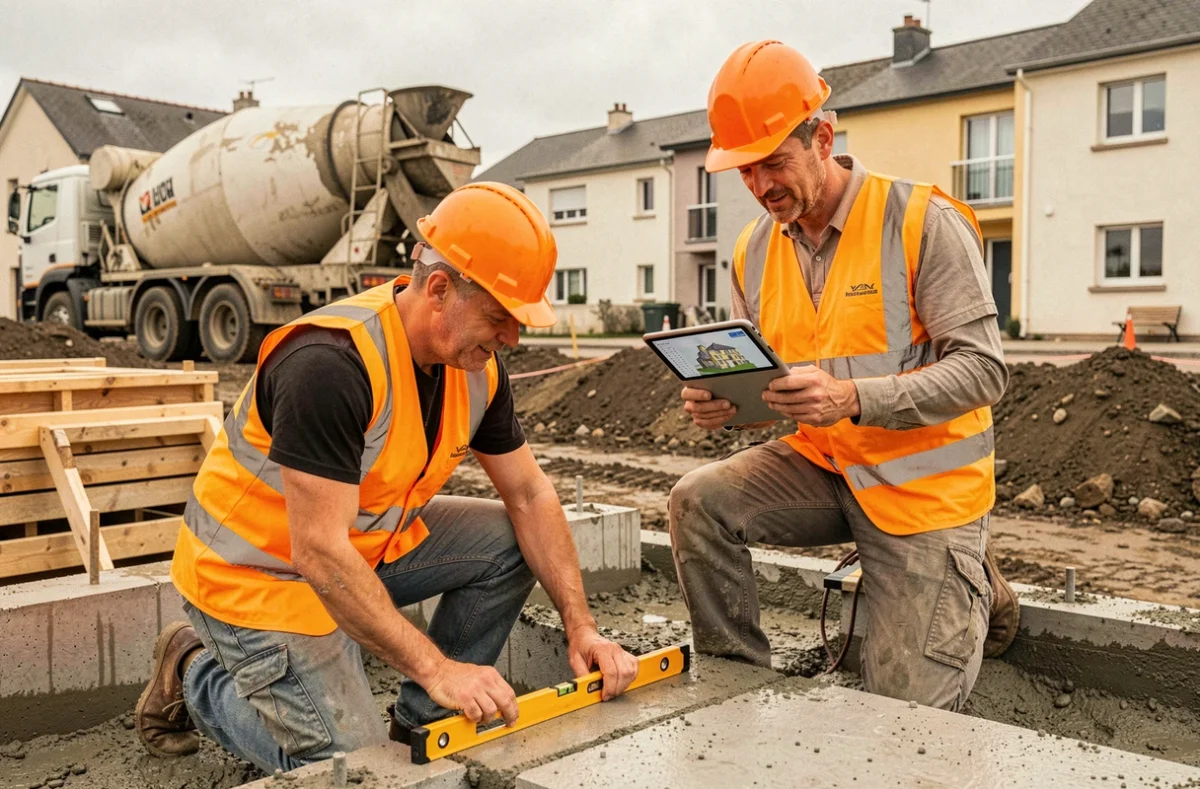
National trends provide the backdrop. They indicate the market’s overall direction, interest rate levels, and regulatory pressures. For anyone planning a project, they are no substitute for a close look at local conditions.
Before starting a construction or renovation project, it’s worth checking three local indicators:
The pace of permits issued in the municipality or intermunicipal authority over the past twelve months. A local increase, even a modest one, suggests that planning departments are processing applications and land is becoming available.
The local urban development plan (PLU) and any revisions currently underway. An amendment to a PLU can change the building rules for a plot within a matter of months.
The capacity of local construction companies to take on new projects. A full order book can extend timelines and drive up quotes.
You can check these three indicators with the town hall, the departmental directorate for territories, and local building industry associations. They are a useful complement to the broader property market trends published by the Notaires de France or regional observatories.
France’s construction sector is going through a period of transition in which national averages are becoming less predictive. A well-calibrated project relies on up-to-date regional data, an understanding of the regulatory timeline, and a realistic assessment of the time between permit approval and the start of construction. This is the level at which decisions are made and trends become practical tools.